
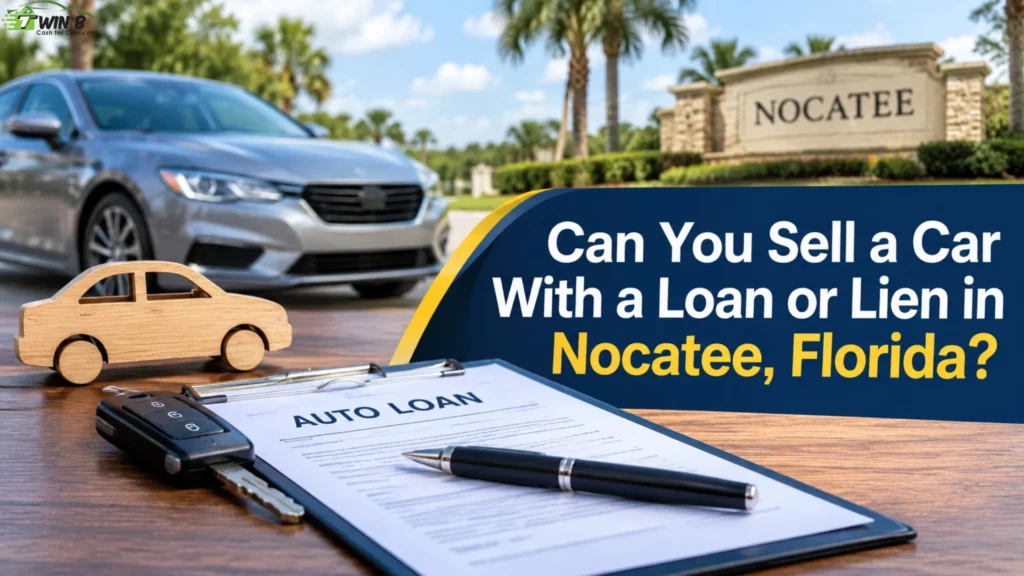
A loan or lien doesn’t always stop you from selling a car in Nocatee, but it must be resolved as part of the sale. The lender usually has a claim on the title, so the loan generally needs to be paid off and the lien released before ownership can transfer to the buyer.
This is general information, not legal or financial advice. Confirm details with your lender and the Florida Department of Highway Safety and Motor Vehicles (FLHSMV).
Can I Sell a Car if I Still Have a Loan on It?
Often, yes. The catch is that the lender has a legal interest in the car until the debt is paid. Vehicles with active liens generally can’t be sold unless the lien is paid off and released before ownership transfers. In practice, that means the sale price (or your own money) has to cover the payoff, and the lender has to release its claim.
Who Holds the Title When There’s a Lien?
It varies, and it’s worth finding out before you list or accept an offer.
- Electronic title: Many Florida titles are stored as electronic records in FLHSMV’s database, and lien notices and satisfactions pass electronically between the state and the lender.
- Paper title: The lender may hold the physical title until the loan is paid.
If your lien is electronic, FLHSMV generally can’t release it based on a paper satisfaction alone, because the lender is responsible for releasing it electronically. That’s one reason to involve your lender early.
How Do I Find My Loan Payoff Amount?
Ask your lender for a payoff quote. It can differ from your current balance because of interest and fees, and it’s usually good only through a specific date. Request it in writing or through your online account, and note the lender’s instructions for sending payment.
Step by Step: Payoff, Release, Title Transfer
- Get the payoff quote. Ask the lender for the exact amount, the good-through date, and where to send payment.
- Compare it with your offer. If the buyer’s offer covers the payoff, you can usually proceed. If it doesn’t, see the section below on owing more than the car is worth.
- Pay off the loan. Some buyers can pay the lender directly, while others pay you and you pay the lender. Ask which approach the buyer uses and what the lender accepts.
- Get the lien released. The lender must release its claim. Under FLHSMV procedure, a lender must provide a satisfaction of lien and forward it to the state within a set timeframe after the lien is paid. Confirm how and when yours will be released.
- Transfer the title. If you’re selling rather than trading in, you generally need a paper title printed to transfer ownership to the buyer. Sign it over and complete the sale paperwork.
Don’t hand over the car or title until the payoff is confirmed.
What If the Car Is Worth Less Than I Owe?
You may still owe the difference to the lender. This is sometimes called being “upside down” on the loan. Options might include paying the difference out of pocket, asking the lender about arrangements, or waiting. Talk to the lender before you sell, since they can explain your choices.
What Florida Seller Steps Still Apply?
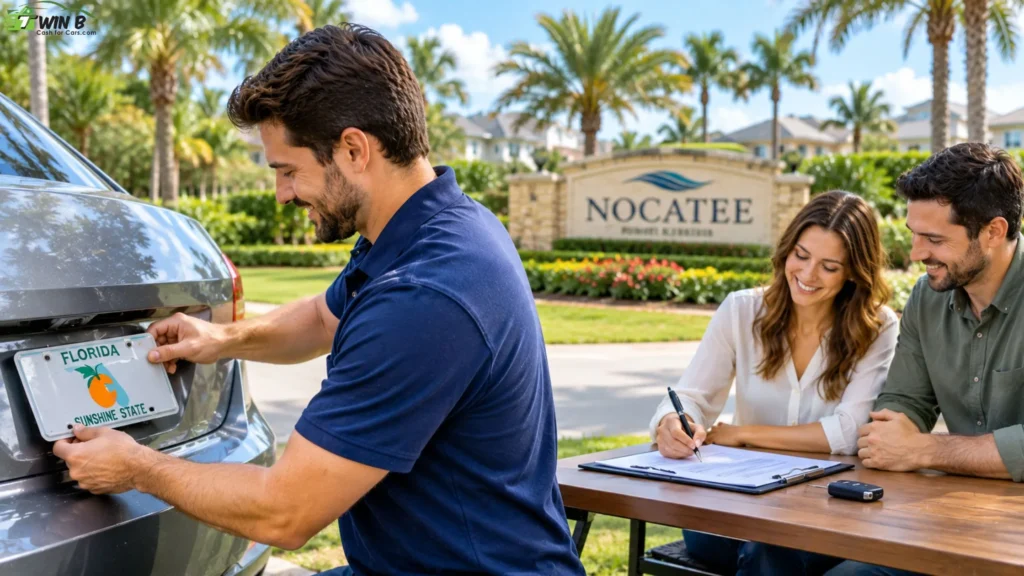
Even with a loan in the picture, the usual Florida steps apply. In a sale, the license plate stays with the seller, who must remove it and may transfer it to a new vehicle. You’ll also file a Notice of Sale, either on the back of the title or on form HSMV 82050, within 30 days of the sale. Check FLHSMV for current forms, since requirements can change.
For a broader rundown of what buyers ask for, see our guide on what documents you need to sell a junk car in Clay County.
What Should I Ask Before Selling a Car With a Lien?
- What is the exact payoff, and until what date is it valid?
- Is my title electronic or paper, and who holds it?
- Can the buyer pay the lender directly, or does the money come to me first?
- How long will the lender take to release the lien after payment?
- Will the buyer’s paperwork match what the lender and FLHSMV require?
Write down the answers. They’ll save you time and help avoid a stalled sale.
Where to Go Next
Learn about cash for cars in Nocatee, cash for damaged cars in Nocatee, or junk car removal in Nocatee.
Nearby: Ponte Vedra Beach, St. Johns County, and Jacksonville Beach.
Ask Us About Your Vehicle Situation
Every lien situation is a little different. If you’re not sure where you stand, tell us about your car and your loan, and we’ll explain what we can do and what we’d need from you. No price is guaranteed until the car’s condition and paperwork are confirmed. Contact us here.
Frequently Asked Questions
Can I sell a car if I still have a loan on it?
Often yes, but the lender usually has a claim on the title. The loan generally needs to be paid off or arranged with the lender as part of the sale.
How do I find my loan payoff amount?
Ask your lender for a payoff quote. It can differ from your current balance because of interest and fees.
What if the car is worth less than I owe?
You may still owe the difference to the lender. Ask the lender about options before selling.
Who holds the title when there is a lien?
This varies. In some cases the lender holds it, and in others it is recorded electronically. Confirm current Florida procedures with the lender and official state sources.