


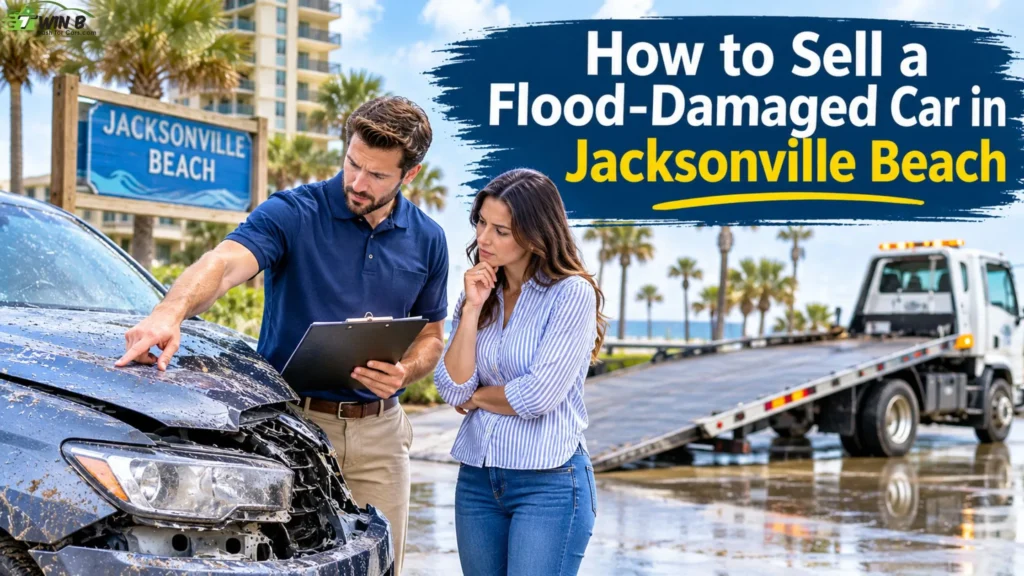
Yes, you can sell a flood-damaged car in Jacksonville Beach. Many buyers purchase water-damaged vehicles, though flood damage can significantly reduce value. If you have insurance, talk to your insurer first, because a total-loss claim can affect whether you can sell. Safety note: don’t try to start a car that sat in floodwater.
Should I Try to Start a Car That Was in Floodwater?
Generally no. Water can reach the engine, transmission, wiring, and electronics, and turning the key may cause more damage and create safety risks. Have it towed instead. If it’s a hybrid or electric vehicle, be extra cautious and call a qualified professional. Your mechanic or insurer can advise on next steps.
What to Do in the First 48 Hours
- Stay safe. Don’t drive through flooded roads, and don’t try to start or move the car under its own power.
- Take photos and video. Capture the waterline on the exterior, the interior (seats, carpet, dashboard), the engine bay, the odometer, and the car’s location.
- Contact your insurer. Report the loss promptly and ask how they handle flood claims, whether you have comprehensive coverage, and what they need from you.
- Hold off on selling or scrapping the car until you know whether the insurer will declare it a total loss.
- Ask about towing. Find out whether your insurer arranges it or whether you should, and where the car will go.
- Gather paperwork. Locate your title (or confirm whether it’s electronic) and note any lender.
- Keep records. Save every email, claim number, and quote.
Be Honest: Disclosure Matters
This is the most important point in the article. If you sell a flood-damaged car, tell the buyer. In Florida, it’s generally legal to sell a flood-damaged vehicle as long as the seller discloses the damage. Hiding it can create legal and financial problems for you, and it can leave the next owner with an unsafe vehicle. A reputable buyer expects flood damage and prices it in, so there’s nothing to gain by concealing it.
Does Flood Damage Affect the Title?
It can. When a flooded vehicle is reported to the owner’s insurance company, the insurer brands it and reports it to the Florida Department of Highway Safety and Motor Vehicles (FLHSMV). Florida law, section 319.14(1)(b), requires that FLHSMV note flood damage conspicuously on the title, and FLHSMV says insurers must brand flooded vehicles as “salvage flood.”
If you keep a total-loss vehicle after a settlement, the owner or the insurer has to send the title to FLHSMV so a salvage title or certificate of destruction can be issued, and a total-loss vehicle generally can’t be disposed of before that happens. If you haven’t filed an insurance claim, no flood brand is added to the title, so there may be nothing on paper. That doesn’t change your duty to be honest with a buyer.
For the full picture on how a settlement affects your options, see our guide on total loss payouts vs selling to a junk car buyer. To check how a vehicle’s title is currently recorded, FLHSMV offers a free Motor Vehicle Information Check by VIN.
How Does Flood Damage Affect a Car’s Value?
Value depends on how deep the water got, how long the car sat, the type of water, and the make and model. Water that reaches the dashboard or electronics usually does more damage than water that only reaches the floorboards. Saltwater is generally harder on metal and wiring than fresh water. No one can quote a firm number without seeing the car, so be skeptical of anyone who does.
Why Flood Damage Is a Real Concern Around Jacksonville Beach
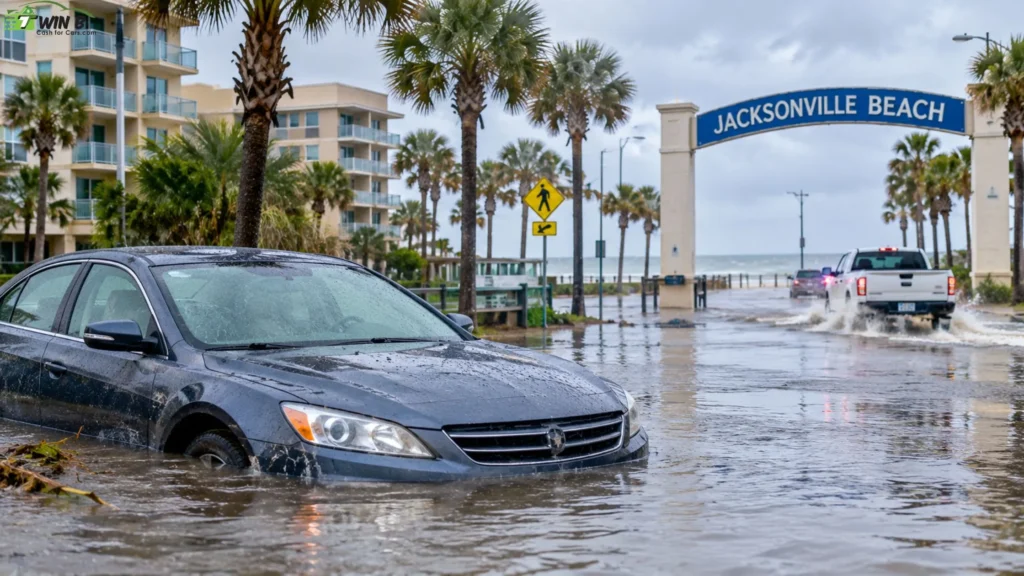
Jacksonville Beach has seen street flooding from heavy rain, including areas around 3rd Street, and storm surge from past hurricanes. Hurricane Matthew’s surge flooded ground-floor homes at the beaches in 2016, and Hurricane Irma in 2017 set a record for storm surge flooding in Jacksonville. Heavy rain, nor’easters, and tropical storms can all put parked cars at risk.
How to Sell or Remove a Flood-Damaged Car
- Sort out insurance first. Know whether the car has been declared a total loss.
- Describe the damage accurately. Share water depth, how long it sat, and whether it starts.
- Share your photos. They help a buyer quote more accurately.
- Confirm towing. Ask whether it’s included and whether any fees are deducted.
- Finish the paperwork. In Florida, the plate stays with the seller, and you’ll sign over the title and file a Notice of Sale (HSMV 82050) within 30 days. Confirm current forms with FLHSMV.
Learn more about cash for cars in Jacksonville Beach, cash for damaged cars in Jacksonville Beach, or junk car removal in Jacksonville Beach. Elsewhere on the beaches? See our guide on selling a wrecked car in Neptune Beach, plus Neptune Beach, Atlantic Beach, and Ponte Vedra Beach.
Get a Quote for Your Water-Damaged Vehicle
Tell us about the car, how deep the water got, and share a few photos. We’ll explain what we can offer and what’s included. No price is guaranteed until the car’s condition is confirmed. Request a free quote here.
Frequently Asked Questions
Can I sell a flood-damaged car?
Yes, many buyers purchase flood-damaged vehicles, although water damage can significantly affect value.
Should I try to start a car that was in floodwater?
Generally no. Attempting to start it can cause more damage and may be unsafe. Ask a qualified mechanic or your insurer for guidance.
Does flood damage affect the title?
Flood damage can lead to a salvage or similar branding depending on the insurance process. Confirm current Florida rules with official sources.
Do I have to disclose flood damage?
You should be honest with any buyer about flood damage. Concealing it can create legal and financial problems.