


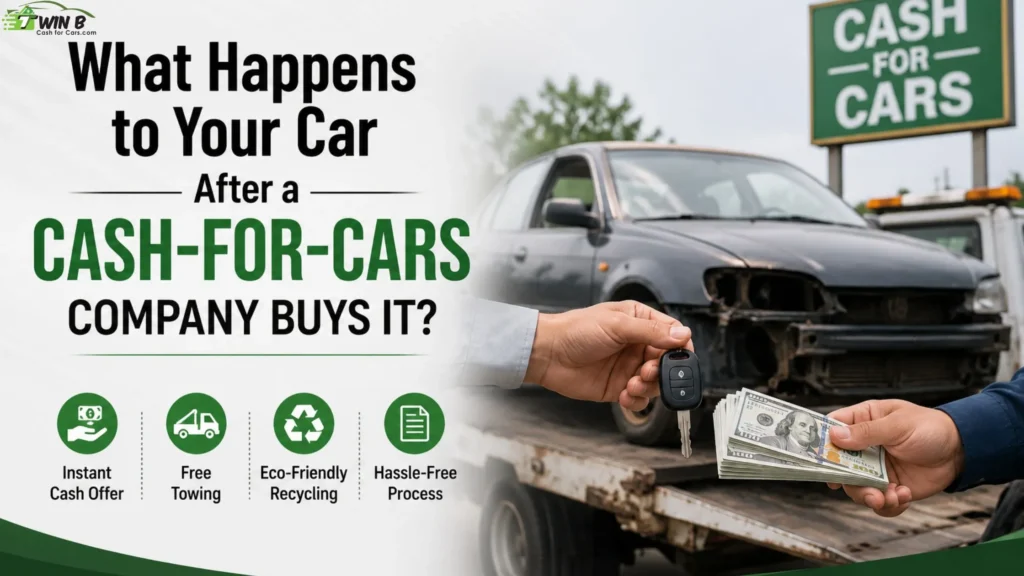
Selling an unwanted vehicle is not necessarily the end of its useful life. Many cars that are no longer practical for their owners can still provide reusable parts and recyclable materials. If you are wondering what happens after selling a car, the answer depends on its condition and what components can be recovered.
The vehicle may be inspected, processed, dismantled, reused, or recycled.
The Vehicle Is First Evaluated
After a buyer acquires a vehicle, its condition can be assessed to determine what can be reused or recovered.
The evaluation may consider the engine, transmission, body panels, wheels, electronics, interior components, and other parts.
A vehicle that is still in reasonable condition may have components suitable for reuse, while a severely damaged vehicle may be more suitable for dismantling and recycling.
Usable Parts May Be Recovered
One of the most important benefits of vehicle recycling is the recovery of usable components.
Depending on the vehicle, parts such as:
- Wheels
- Mirrors
- Seats
- Electronics
- Body panels
- Engine components
- Transmission components
may have further use.
Recovering parts reduces the need to manufacture every replacement component from new materials.
What Happens to the Metal?
Vehicles contain significant quantities of metal. Steel and aluminum can be recovered and processed for reuse.
Instead of allowing an old vehicle to remain abandoned or sending all of its materials to a landfill, responsible recycling can help recover materials that still have industrial value.
This is one reason old vehicles can remain useful even after they are no longer practical for everyday driving.
What About Fluids and Other Materials?
End-of-life vehicles may contain fluids and materials that should be handled responsibly.
Oil, coolant, fuel, batteries, tires, and other vehicle components require appropriate handling. Proper vehicle processing helps reduce the chance of these materials being released into the environment.
Responsible disposal is therefore an important part of professional vehicle recycling.
Can Damaged Cars Be Recycled?
Yes. A vehicle does not need to be mechanically functional to have recyclable value.
A wrecked or non-running vehicle can contain metal, glass, plastics, and components that may still be recovered.
Twin B Cash for Cars states that its recycling service focuses on responsibly processing unwanted vehicles and recovering materials such as metals, plastics, and glass.
Why Vehicle Recycling Matters
Recycling vehicles can reduce waste and help recover materials that would otherwise require additional raw-material extraction.
It can also provide a practical solution for owners who have cars that are too damaged, old, or expensive to repair.
Instead of keeping an unwanted vehicle in a driveway for years, selling it to a company that handles vehicle recycling can help move the car into a more productive next stage.
Choosing a Responsible Buyer
When selling an unwanted vehicle, ask how the company handles cars after purchase.
Look for information about:
- Vehicle recycling
- Responsible disposal
- Free vehicle pickup
- Processing of reusable components
- Transparent selling procedures
Twin B Cash for Cars lists eco-friendly disposal and vehicle recycling among its services.
Conclusion
Selling an old or damaged car does not necessarily mean everything associated with it becomes waste. Many vehicles can be dismantled so that usable parts and recyclable materials are recovered.
Understanding the car recycling process can help owners make a more informed decision when getting rid of an unwanted vehicle.
Have an old or damaged vehicle ready for removal? Contact Twin B Cash for Cars today for a free quote and convenient vehicle pickup.