


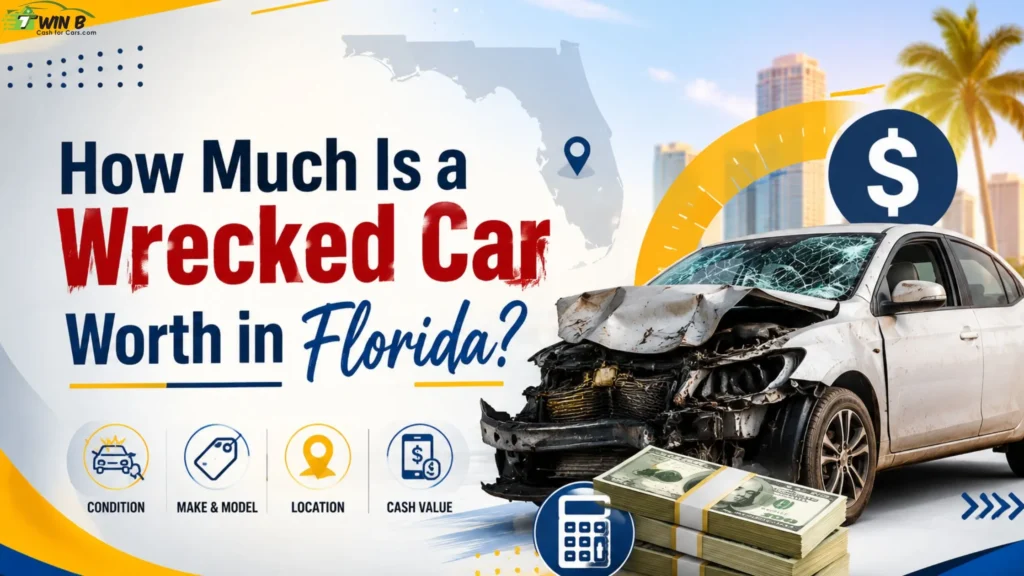
A car accident can change everything in a matter of seconds. Beyond the immediate concerns of safety and repairs, many vehicle owners are left asking an important financial question: How much is my wrecked car worth? The answer depends on several factors, including the extent of the damage, vehicle age, market demand, and the condition of reusable parts.
In Florida, thousands of damaged vehicles are bought and sold every year. Some are repaired and returned to the road, while others are dismantled for parts or recycled for scrap materials. Even if a vehicle has been declared a total loss, it may still retain significant value.
Understanding what influences wrecked car value can help owners make informed decisions and avoid accepting less than their vehicle is worth.
Why a Wrecked Vehicle Still Has Market Value
Many people assume that a damaged vehicle becomes worthless after a major accident. In reality, a wrecked car often contains numerous components that still hold value.
Engines, transmissions, catalytic converters, wheels, batteries, and electronic systems can remain functional even when the vehicle itself is no longer roadworthy. Auto recyclers and vehicle buyers recognize the value of these parts and frequently purchase damaged cars for dismantling purposes.
In addition, the metal used in vehicles can be recycled and repurposed, creating another source of value. This is one reason why even severely damaged vehicles often receive cash offers from professional buyers.
Understanding Total Loss Vehicles
Insurance companies frequently use the term “totaled vehicle” after a serious accident. This occurs when repair costs exceed a certain percentage of the vehicle’s market value.
A totaled vehicle does not necessarily mean the car has no worth. Instead, it means that repairing the vehicle may not be financially practical.
The remaining value is commonly referred to as salvage value. Buyers calculate this amount by evaluating reusable components, vehicle demand, and recycling potential.
For vehicle owners, this means a totaled car can still generate a return rather than becoming a complete financial loss.
Factors That Affect Wrecked Car Value
Every damaged vehicle is different, which means there is no single formula for determining value. Several important factors influence what buyers are willing to pay.
Severity of the Damage
The extent of the accident is one of the most important considerations. Minor collision damage may leave many valuable components untouched, while severe structural damage can reduce overall value.
Vehicles with repairable damage often command higher prices than those with extensive frame issues.
Vehicle Make and Model
Some vehicles maintain stronger resale and parts demand than others. Popular models often have a larger market for replacement components, increasing their value even after an accident.
Luxury vehicles and trucks may also retain higher salvage values because certain parts remain expensive and difficult to source.
Vehicle Age
Newer vehicles generally contain more desirable components and advanced technology. As a result, they may receive stronger offers compared to older models with outdated systems.
However, some older vehicles with highly sought-after parts can still attract competitive valuations.
Mileage
Lower-mileage vehicles often have components with more remaining lifespan. Buyers frequently consider mileage when assessing engine and transmission value.
A vehicle with relatively low mileage may receive a higher offer than a similar model with extensive wear and tear.
Florida Market Conditions Matter
Vehicle values are influenced by local demand. In Florida, the market for used parts remains active due to the large number of vehicles on the road.
Demand for replacement components can impact how much buyers are willing to pay for damaged cars. When specific parts are difficult to obtain, vehicles containing those components may become more valuable.
Recycling markets also affect pricing. Changes in metal values can influence offers made by salvage buyers and recyclers.
Because of these market fluctuations, vehicle values may vary throughout the year.
Repair or Sell: Which Option Makes More Sense?
One of the biggest decisions vehicle owners face after an accident is whether to repair the car or sell it.
Repairing a vehicle can be worthwhile when damage is limited and repair costs remain reasonable. However, extensive repairs often lead to ongoing maintenance concerns and reduced resale value.
Many owners discover that selling the vehicle is a more practical solution. Instead of investing thousands of dollars into repairs, they can receive cash and apply those funds toward another vehicle.
The right decision ultimately depends on the condition of the vehicle and the owner’s long-term plans.
Getting an Accurate Vehicle Assessment
Obtaining a fair estimate requires accurate information about the vehicle’s condition. Buyers typically review details such as:
- Year, make, and model
- Mileage
- Type of accident damage
- Mechanical condition
- Missing parts or components
- Vehicle ownership status
Providing complete and honest information helps buyers generate realistic offers and prevents surprises later in the process.
Photographs can also help buyers better understand the extent of the damage and improve valuation accuracy.
Common Mistakes That Reduce Vehicle Value
Many vehicle owners unintentionally lower their potential payout by making avoidable mistakes.
Waiting too long to sell can result in additional deterioration, especially if the vehicle is exposed to weather conditions. Rust, water intrusion, and component degradation may reduce value over time.
Another mistake is accepting the first offer without comparing options. Different buyers use different valuation methods, making it worthwhile to explore multiple opportunities.
Owners should also avoid removing valuable components before requesting quotes, as missing parts can significantly impact pricing.
Selling a Wrecked Car Made Simple
The process of selling a damaged vehicle has become increasingly convenient. Professional buyers now purchase vehicles in almost every condition, including accident-damaged, non-running, and insurance-totaled cars.
Companies like Twin B Cash for Cars work with vehicle owners seeking a straightforward way to sell damaged vehicles without dealing with repair shops, classified ads, or lengthy negotiations.
This streamlined approach allows sellers to convert an unwanted vehicle into cash while avoiding unnecessary stress.
Conclusion
Determining wrecked car value in Florida involves more than simply looking at visible damage. Vehicle age, condition, mileage, market demand, and reusable components all contribute to what a buyer may offer. Even if your vehicle has been declared a total loss, it may still retain significant value through salvageable parts and recyclable materials.
If you have a damaged or totaled vehicle sitting unused, now is the perfect time to discover its true value. Request a professional evaluation today and see how much cash your wrecked car could be worth. A fair offer and hassle-free selling process may be closer than you think.