


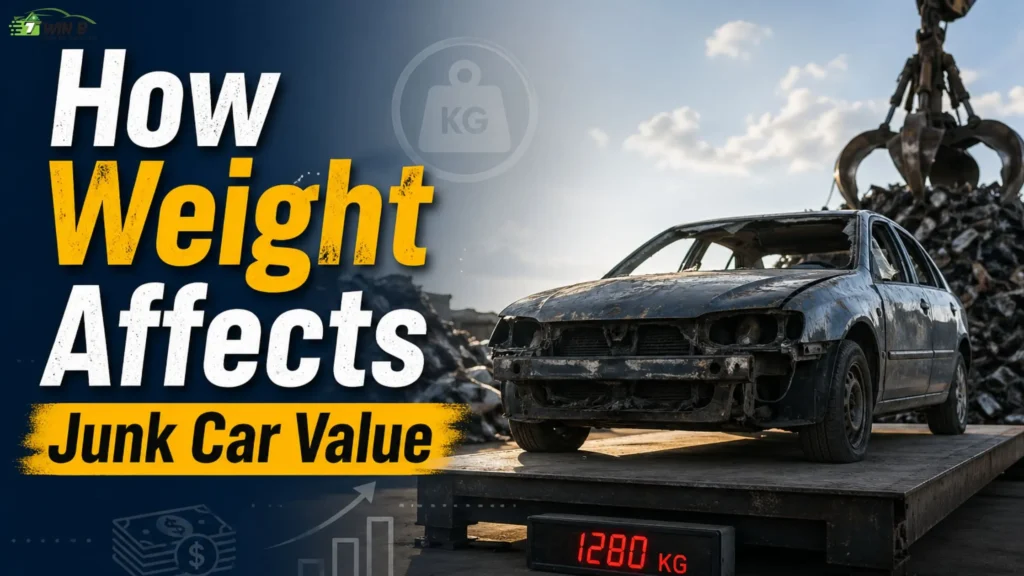
When selling an old or non-running vehicle, many car owners assume the condition is the only factor that matters. In reality, one of the biggest elements influencing your payout is something much simpler — weight.
Understanding junk car weight value can help you make smarter decisions and avoid undervaluing your vehicle. Whether your car is completely totaled or just no longer worth repairing, knowing how weight pricing works gives you a clear advantage when dealing with buyers.
If you’re planning to sell, learning how this system works could directly impact how much cash you receive.
Why Weight Matters More Than You Think
Scrap yards and professional buyers don’t just see your car as a vehicle — they see it as a collection of materials. Steel, aluminum, copper, and other metals all contribute to the total value.
This is where weight pricing comes into play.
Heavier vehicles typically contain more metal, which means higher scrap value. Trucks, SUVs, and older cars with solid steel frames often generate better payouts compared to smaller, lightweight vehicles.
If you’ve ever wondered why two non-running cars receive very different offers, weight is often the reason behind that difference.
Before accepting any offer, it’s always a smart move to get a quick evaluation based on your vehicle’s weight and material composition.
How Scrap Yards Calculate Junk Car Weight Value
The process is more technical than most sellers expect. Buyers usually calculate value based on:
- Total vehicle weight
- Current scrap metal market rates
- Type of metal components
- Reusable parts inside the vehicle
While weight is a primary factor, it doesn’t work alone. Scrap prices fluctuate regularly, meaning your car’s value can change depending on market demand.
For example, if steel prices rise, your vehicle’s junk car weight value automatically increases. This is why timing can sometimes affect your payout more than expected.
Getting a real-time quote helps you understand where your vehicle stands in the current market.
Different Vehicles, Different Value Outcomes
Not all cars are equal when it comes to weight-based pricing.
Larger vehicles like SUVs and pickup trucks usually have higher scrap value because they contain more metal. On the other hand, compact cars may weigh less, which can reduce their base value.
However, lighter vehicles can still perform well if they contain valuable components such as aluminum parts or high-demand materials.
This is why professional buyers evaluate more than just size. They consider how weight combines with material quality to determine the final offer.
If you’re unsure how your vehicle compares, getting a quick inspection or quote can give you clarity before making a decision.
The Role of Missing Parts in Weight Pricing
One important factor that many sellers overlook is missing parts.
If major components like the engine, transmission, or catalytic converter are removed, your vehicle’s total weight decreases — and so does its value.
Even though scrap yards still buy incomplete vehicles, the payout is usually adjusted based on reduced material weight.
To maximize your return, it’s often better to sell the car as-is rather than removing parts individually unless you fully understand their resale value.
A professional buyer can guide you on whether keeping the car intact will generate a better overall payout.
Market Demand and Metal Prices
The scrap industry is directly tied to global metal markets. Prices for steel, aluminum, and copper change frequently based on supply and demand.
This means your vehicle’s junk car weight value is not fixed.
Selling at the right time can increase your payout without any additional effort. When metal demand is high, scrap yards are willing to pay more per ton, which directly benefits sellers.
If you’re not in a hurry, checking current scrap rates or requesting multiple quotes can help you identify the best time to sell.
Why Professional Buyers Offer Better Value
While traditional scrap yards focus mainly on raw weight, professional buyers often consider additional factors.
They may include:
- Usable auto parts
- Resale potential
- Recycling value
- Local demand
This approach often leads to better offers compared to basic weight-only calculations.
Working with experienced buyers also simplifies the process. Many provide quick quotes, handle paperwork, and include pickup services — making it easier to sell without delays.
If your goal is to maximize value while saving time, choosing the right buyer becomes just as important as understanding weight pricing.
Making the Most of Your Junk Car Sale
To get the best possible return, combine knowledge with smart action.
Understand your vehicle’s approximate weight, stay aware of current scrap rates, and avoid removing parts unnecessarily. Most importantly, compare offers instead of settling for the first quote.
Even small differences in evaluation methods can lead to noticeable changes in your final payout.
If you want to make the process easier, start by requesting a professional quote. It gives you a clear idea of your vehicle’s worth without any commitment.
Final Thoughts: Turn Weight Into Real Cash
Your vehicle may no longer be roadworthy, but it still holds measurable value — and much of that comes down to its weight. By understanding how junk car weight value works, you put yourself in a stronger position to negotiate and earn more.
Instead of guessing what your car is worth, take a smarter approach. Get a real-time evaluation, compare offers, and choose a buyer who values both weight and overall vehicle potential.
If you’re ready to move forward, now is the right time to act. Request your quote, see how weight pricing impacts your car, and turn that unused vehicle into instant cash with a smooth and reliable process.