


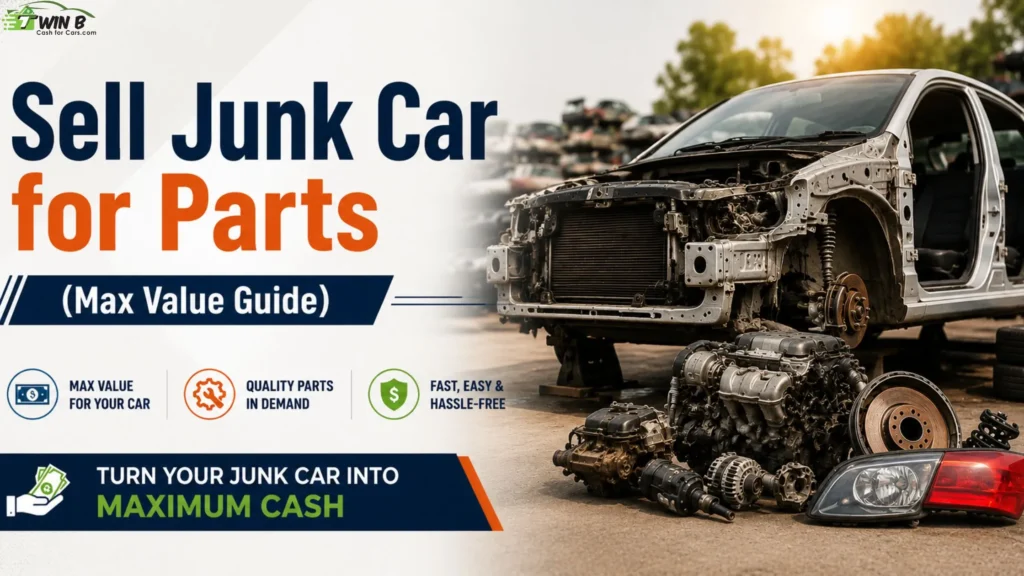
Most car owners assume that once a vehicle stops running, its value drops to almost nothing. In reality, that’s far from the truth. If you approach the process strategically, you can sell junk car for parts value and often earn significantly more than standard scrap pricing.
Instead of looking at your car as a whole, smart sellers focus on what still works — and that’s where real value exists. From engines to electronics, every component has a price in the market.
Let’s break down how to unlock that value the right way.
Why Parts Value Is Higher Than Scrap Value
A junk car is rarely “completely useless.” Even if the vehicle doesn’t run, many of its components are still in demand. Engines, transmissions, catalytic converters, alloy wheels, and even small electrical parts can be resold individually.
This is where parts pricing becomes important. Buyers who specialize in dismantling vehicles evaluate each usable component separately rather than offering a flat scrap rate.
If your goal is to maximize returns, it’s always worth exploring a parts-based evaluation instead of settling for basic scrap value. A quick professional quote can often reveal hidden value you didn’t expect.
Understanding What Buyers Actually Pay For
When you decide to sell junk car for parts value, it helps to understand what buyers are looking for. Not every part holds equal value, but some components consistently attract higher offers.
Engines and transmissions are usually the most valuable, especially if they are repairable. Catalytic converters are highly sought after due to the precious metals inside them. Body panels, batteries, infotainment systems, and tires can also contribute to the final price.
Professional buyers assess your vehicle based on condition, demand, and resale potential. This is why getting an accurate inspection or quote is a smart first move before making any decisions.
Should You Sell Parts Yourself or Sell the Whole Car?
At first glance, selling parts individually may seem like the best way to earn more money. However, it’s not always practical.
Dismantling a car requires tools, space, time, and technical knowledge. You’ll also need to find individual buyers for each part, which can take weeks or even months.
On the other hand, working with experienced buyers allows you to sell the entire vehicle while still benefiting from parts pricing. These buyers handle dismantling, resale, and logistics — saving you time while still offering competitive payouts.
If convenience matters to you, getting a direct quote from a professional buyer can help you decide quickly without going through the hassle of parting out the car yourself.
Condition Still Plays a Key Role
Even when selling for parts, condition matters. A vehicle with intact components will always fetch a better price than one that has been heavily damaged or stripped.
Small details can influence your final offer. For example, keeping the car complete, avoiding unnecessary removals, and maintaining basic cleanliness can help buyers evaluate it more accurately.
If you’re planning to sell soon, avoid removing parts on your own unless you fully understand their market value. In many cases, selling the car as-is results in a better overall deal.
The Advantage of Professional Junk Car Buyers
Choosing the right buyer makes a major difference when trying to sell junk car for parts value. Experienced buyers don’t just look at scrap weight — they calculate the worth of reusable components and offer a price accordingly.
They also simplify the process. Instead of managing multiple buyers, handling negotiations, or arranging transportation, you get a single offer that reflects the car’s true potential.
Many reputable buyers also include free towing, which eliminates additional costs and makes the process smoother. This is especially helpful if your car is no longer drivable.
Before committing, it’s always a good idea to request a quote and compare offers. A few minutes of research can translate into a higher payout.
Timing Your Sale for Better Returns
Market demand for car parts changes over time. Certain components become more valuable depending on supply shortages, seasonal demand, or industry trends.
If your car still has valuable parts and you’re not in a rush, timing your sale strategically can help increase your return. However, delaying too long can reduce value as components deteriorate.
If you’re unsure, getting a current market quote gives you a clear idea of whether it’s the right time to sell.
Avoid Leaving Money on the Table
Many sellers make the mistake of accepting the first offer without understanding their vehicle’s true worth. Others underestimate the value of individual components and settle for lower scrap prices.
To avoid this, always explore options that consider parts pricing rather than just weight-based valuation.
Taking a few extra steps — like requesting multiple quotes or working with a trusted buyer — can significantly improve your final payout.
Conclusion: Turn Hidden Parts Into Real Profit
Your junk car is more valuable than it looks — you just need the right approach to unlock that value. When you focus on component worth instead of scrap pricing, you create an opportunity to sell junk car for parts value and earn more than expected.
Instead of guessing your car’s worth or settling for less, take action today. Get a professional evaluation, understand what your vehicle is really worth, and choose a buyer who recognizes its full potential.
If you’re ready to convert your unused vehicle into real cash, request your quote now and take the first step toward maximizing your return — quickly, confidently, and without unnecessary hassle.