


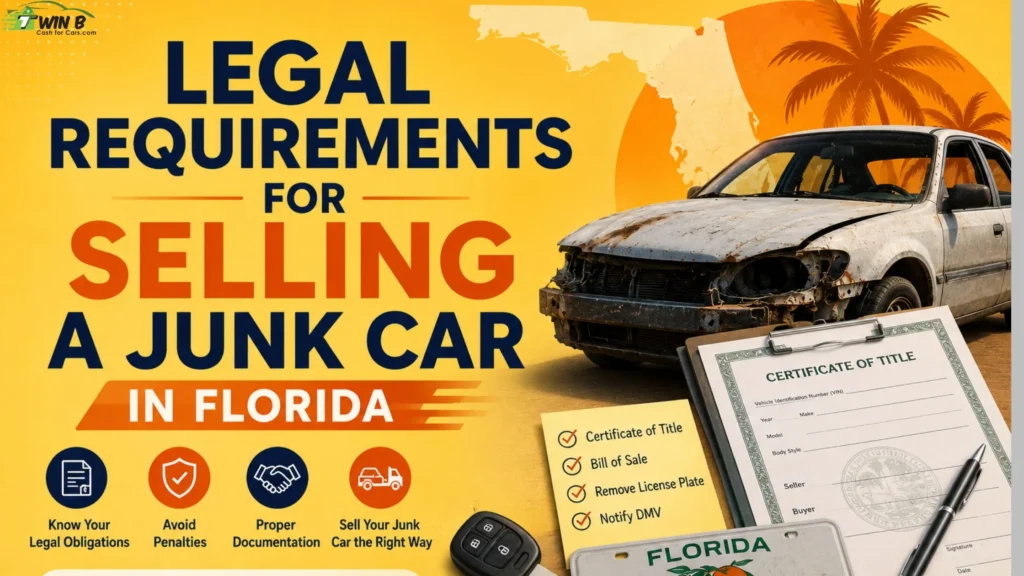
Selling a junk car in Florida isn’t just about finding a buyer and getting paid—it involves specific legal steps that protect both you and the buyer. Many people skip this part and later face issues like fines, ownership disputes, or liability problems.
Understanding the junk car legal requirements Florida ensures your transaction is smooth, valid, and risk-free.
Why Legal Compliance Matters When Selling a Junk Car
You might think selling a non-working car is informal—but legally, it’s still a vehicle transfer.
If you don’t follow proper procedures:
- You may still be held responsible for the vehicle
- You could face penalties or legal notices
- The buyer may not be able to process the car legally
Taking a few extra steps protects you from future complications.
Do You Need a Title to Sell a Junk Car in Florida?
Yes, in most cases, a valid vehicle title is required.
The title acts as proof that you are the legal owner. Without it:
- Selling becomes more complicated
- Buyers may refuse the deal
- Additional paperwork may be needed
However, some licensed junk car buyers may still accept vehicles without a title under specific conditions—but requirements vary.
Important Documents You Should Have Ready
Before selling your junk car, make sure you have:
- Vehicle title (signed correctly)
- Valid ID proof
- Bill of sale (recommended)
- Odometer reading (if applicable)
Having these documents ready speeds up the process and avoids delays.
How to Properly Transfer Ownership
One of the most critical steps in the process is transferring ownership correctly.
Here’s what you need to do:
Sign the Title
Fill in the buyer’s details and sign where required.
Complete a Bill of Sale
This acts as proof of transaction and protects both parties.
Submit Notice of Sale
Inform the Florida Department of Highway Safety and Motor Vehicles (FLHSMV) that you’ve sold the vehicle.
This step ensures you are no longer legally responsible for the car.
Cancel Registration and Insurance
After selling your junk car, don’t forget:
- Cancel your vehicle registration
- Inform your insurance company
Failing to do this can lead to unnecessary charges or legal issues.
Are There Any Special Rules for Junk Vehicles?
Yes, junk or salvage vehicles may fall under additional regulations:
- Some cars may be classified as salvage or total loss
- Certain buyers must be licensed
- Vehicles may need to be reported for recycling
These rules are in place to ensure proper disposal and environmental safety.
Avoid Illegal or Unverified Buyers
One major risk is dealing with unlicensed buyers. This can create serious problems like:
- No proper documentation
- Delayed or no payment
- Legal complications later
Always choose a trusted and licensed buyer, such as Twin B Cash for Cars, to ensure a legal and secure transaction.
Common Legal Mistakes Sellers Make
Many sellers unknowingly make errors that cause future issues:
- Not transferring the title properly
- Forgetting to notify authorities
- Selling without documentation
- Trusting unverified buyers
Avoiding these mistakes can save you from legal trouble.
What Happens If You Skip Legal Steps?
If legal requirements are ignored:
- The car may still be registered in your name
- You could be liable for accidents or violations
- You may receive fines or penalties
This is why following proper procedure is not optional—it’s essential.
Conclusion: Sell Smart, Stay Protected
Selling a junk car in Florida is simple—but only when done correctly. By understanding the junk car legal requirements Florida, you protect yourself from unnecessary risks and ensure a smooth transaction.
A few minutes spent on legal steps can save you from long-term problems.
If you want a safe and hassle-free experience, work with a trusted and licensed junk car buyer. They’ll guide you through the legal process, handle paperwork, and ensure everything is done correctly.
Get peace of mind along with your payment—start your junk car selling process today.