

Selling a junk car is often one of the fastest ways to free up space and put extra cash in your pocket. However, many sellers focus so much on the offer amount that they overlook an equally important detail—how they will actually receive their money.
Understanding different junk car payment methods can help you avoid scams, choose the right buyer, and ensure a smooth selling experience. Whether you’re selling a damaged vehicle, an old car that no longer runs, or a totaled vehicle, knowing what to expect from the payment process can make the transaction much more comfortable.
Let’s explore the most common payment options used by junk car buyers and what they mean for sellers.
Why Payment Methods Matter When Selling a Junk Car
When selling a junk vehicle, the payment process should be simple, secure, and transparent. Unfortunately, not every buyer operates the same way. Some companies provide immediate payment, while others may involve waiting periods or additional verification steps.
Before accepting any offer, ask how and when you will be paid. A reputable buyer should clearly explain their payment process and answer any questions without hesitation.
The right payment method doesn’t just provide convenience—it also protects you from unnecessary risks and surprises.
Cash Payments: The Traditional Option
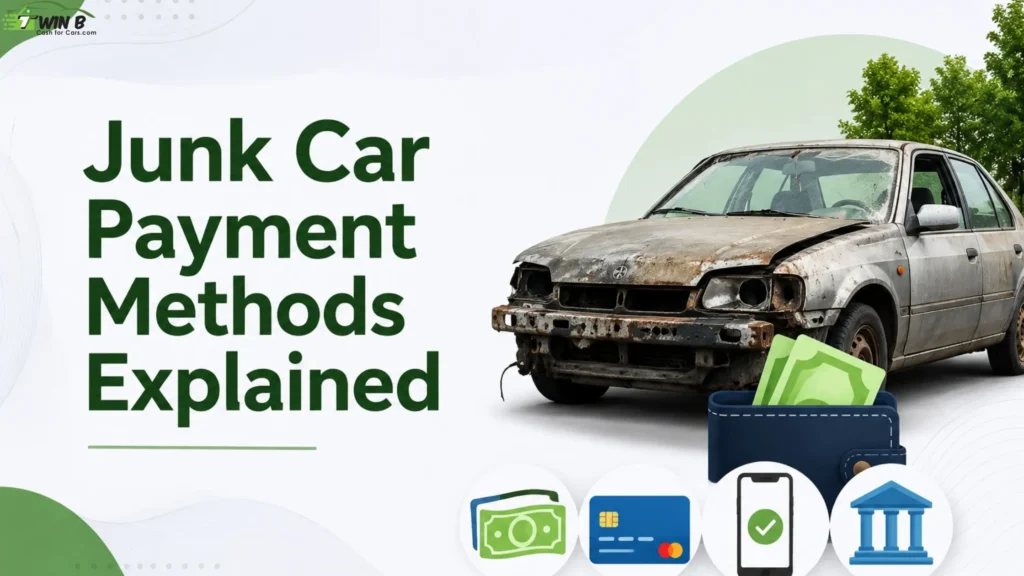
Cash remains one of the most popular junk car payment methods because of its simplicity. Many local buyers provide cash at the time of vehicle pickup, allowing sellers to complete the transaction in a single visit.
The biggest advantage of cash payment is immediacy. Once the paperwork is completed and the vehicle is collected, the transaction is finished.
For sellers who value quick access to funds, cash can be an attractive option. However, it’s important to verify the buyer’s legitimacy before agreeing to a large cash transaction.
If you’re comparing offers from multiple buyers, ask whether the quoted amount is the exact amount you’ll receive on pickup day.
Company Checks and Certified Checks
Some professional junk car buyers prefer paying through company checks or certified checks. This payment method creates a clear paper trail and may offer additional security for both parties.
Certified checks are generally issued by a financial institution and guarantee that funds are available. This can provide peace of mind when selling a higher-value vehicle.
Before finalizing the sale, confirm whether the check can be deposited immediately and whether your bank has any holding period requirements.
A trustworthy buyer will explain the process upfront and ensure there are no misunderstandings regarding payment timing.
Electronic Transfers and Digital Payments
As technology continues to evolve, digital payment solutions have become increasingly common within the automotive recycling industry.
Many buyers now offer electronic bank transfers as part of their junk car payment methods. This option eliminates the need to carry cash and often allows funds to be transferred directly into your account.
Electronic payments can be especially convenient for sellers who prefer digital transactions. They are fast, traceable, and often processed within a short period after the vehicle is collected.
Before choosing this option, verify the buyer’s payment timeline and confirm when the funds will appear in your account.
When Does Payment Usually Happen?
One of the most common questions sellers ask is when they will receive their money.
In most cases, reputable junk car buyers provide payment when they pick up the vehicle. The exact timing depends on the selected payment method and company policies.
Whether the payment comes through cash, check, or electronic transfer, sellers should always receive a clear explanation before scheduling pickup.
If a buyer is vague about payment timing or requests vehicle pickup before discussing compensation details, consider it a warning sign.
Red Flags to Watch Out For
Not every buyer operates with the same level of professionalism. Understanding potential warning signs can help protect your interests.
Be cautious of buyers who change their offer at the last minute, refuse to provide written confirmation, or cannot clearly explain their payment process.
Another common issue occurs when sellers receive an attractive quote over the phone, only to encounter unexpected deductions upon pickup.
Reliable buyers maintain transparency from the beginning and honor their quoted offers whenever the vehicle description is accurate.
If something feels unclear, don’t hesitate to ask questions before proceeding.
How to Choose the Best Payment Option
The ideal payment method depends on your personal preferences and circumstances.
Some sellers prefer immediate cash because it provides instant access to funds. Others appreciate the security and documentation that come with certified checks or electronic transfers.
Regardless of the method you choose, the most important factor is working with a reputable buyer that communicates clearly and follows through on its commitments.
Before accepting an offer, compare payment options alongside the actual offer amount. A slightly lower offer from a trusted buyer may provide a better overall experience than a higher offer from an unreliable source.
Understanding the Full Transaction
Payment is only one part of the selling process. A quality buyer should also assist with paperwork, title transfer requirements, and vehicle removal logistics.
Many professional companies include free towing, making the transaction even more convenient for sellers with non-running vehicles.
When evaluating buyers, look beyond the dollar amount and consider the complete experience. Transparency, professionalism, and straightforward payment procedures often make the difference between a stressful sale and a smooth one.
Final Thoughts: Know Your Payment Options Before You Sell
Understanding junk car payment methods can help you make informed decisions and avoid unnecessary complications. Whether you prefer cash, certified checks, or electronic transfers, the best payment option is one that combines convenience, security, and transparency.
Before accepting an offer, take a few moments to discuss payment details, verify the buyer’s reputation, and confirm exactly how you’ll receive your money. A little preparation can help ensure a smooth transaction from start to finish.
If you’re thinking about selling your unwanted vehicle, don’t just focus on the offer amount. Ask about the payment process, compare your options, and choose a buyer that values honesty as much as competitive pricing. The right buyer won’t just offer a fair price—they’ll make getting paid simple, secure, and stress-free.