


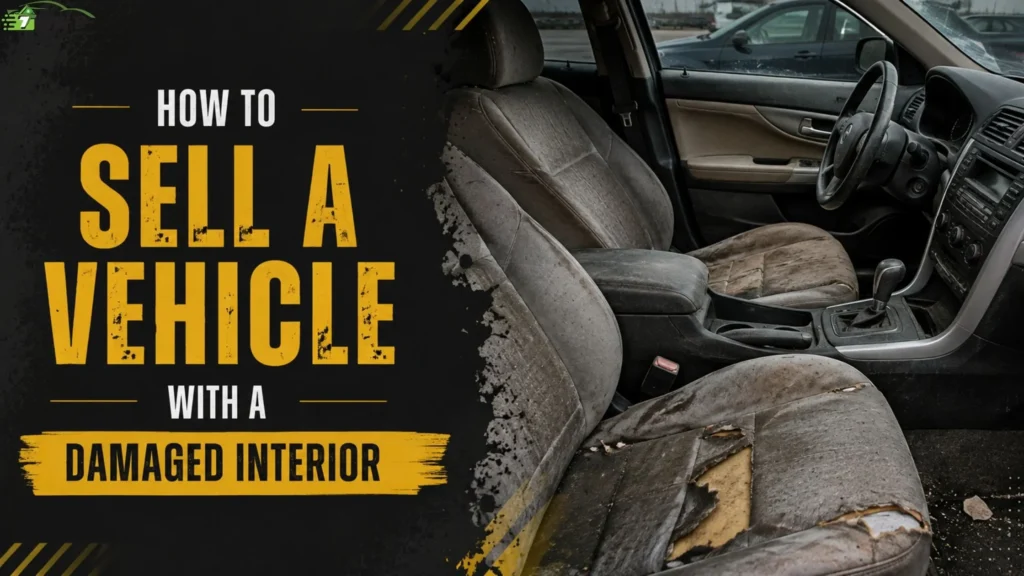
A damaged interior can make an older vehicle difficult to sell through a traditional private listing. Torn seats, broken dashboard components, stained carpets, damaged door panels, unpleasant odours, and missing interior pieces can make potential buyers hesitant. However, an imperfect cabin does not automatically mean that the vehicle has no value. If you want to sell car with damaged interior, there are options that allow you to sell the vehicle based on its overall condition instead of investing heavily in repairs first.
Before replacing upholstery or paying for extensive interior restoration, consider whether those improvements would actually increase the vehicle’s selling price enough to recover your expenses.
Understanding the Value of a Vehicle With Interior Damage
A vehicle is valued as a complete asset, and its interior is only one part of the evaluation. Mechanical condition, exterior condition, mileage, age, make, model, and usable components can all influence its value.
Not Every Interior Problem Requires Repair
Minor stains or worn upholstery may simply reduce the appeal of a vehicle, while severe damage can make restoration expensive. If the seats, carpeting, dashboard, or door panels require replacement, the repair bill can become significant.
For an older vehicle, spending hundreds or thousands of dollars on interior work may not be financially sensible.
Separate Appearance From Mechanical Condition
An unattractive interior does not necessarily mean that the vehicle has major mechanical problems. A car can have a worn cabin while still containing usable mechanical components.
Likewise, a vehicle with a clean interior may still have expensive engine or transmission issues. This is why the overall condition should be considered rather than focusing on one problem.
Consider the Vehicle's Age
Interior wear is common in older cars. Sun exposure, years of use, pets, children, moisture, and general wear can all affect the cabin.
For an older vehicle, buyers may already expect some level of interior deterioration. The important thing is to provide an accurate description of its condition.
Should You Repair the Interior Before Selling?
In many situations, a complete interior renovation is unnecessary. The right choice depends on the vehicle’s age, expected selling price, and cost of repairs.
Calculate the Cost Before Spending Money
Get an estimate for the work required. If replacing seats, carpeting, panels, and other components costs more than the additional value you are likely to receive, repairing the interior may not make sense.
A simple comparison between repair expenses and an as-is offer can make the decision clearer.
Clean What You Can Without Overspending
If the interior only has dirt, stains, or clutter, a basic cleaning may improve its presentation without requiring expensive repairs.
However, avoid spending heavily on cosmetic improvements when the vehicle already has major mechanical or structural problems.
Be Transparent With Potential Buyers
Describe damaged areas accurately. Mention torn seats, broken components, missing pieces, water damage, or other significant problems.
Being upfront about the condition can reduce misunderstandings and make the selling process smoother.
Other Ways a Damaged-Interior Vehicle Can Be Sold
A vehicle with a poor interior may still attract buyers who evaluate it for parts, materials, or its remaining usable components.
Parts Can Contribute to Vehicle Value
Even when the interior is damaged, the vehicle may contain valuable mechanical or exterior parts. Wheels, engine components, electronics, body panels, and other usable items can influence its overall value.
This is one reason Cash for Damaged Cars can be an alternative for owners who do not want to restore an older vehicle.
Read more: Can You Sell a Car With Mechanical Problems Without Repairing It?
Removal Can Make the Process Easier
If the vehicle has been sitting unused because of its condition, moving it may be difficult. Depending on the buyer, vehicle removal may be available for cars that cannot be driven.
This can save the owner from arranging separate transportation.
Conclusion
A damaged interior does not automatically make a vehicle impossible to sell. Before spending money on replacement seats, carpeting, or other repairs, compare the expected improvement in value with the cost of the work. Selling the vehicle as-is may be a more practical option for an older or heavily worn car.
If you have a vehicle with interior damage in Jacksonville and want to explore an as-is sale, Twin B Cash for Cars can help you understand your options based on the vehicle’s actual condition.