


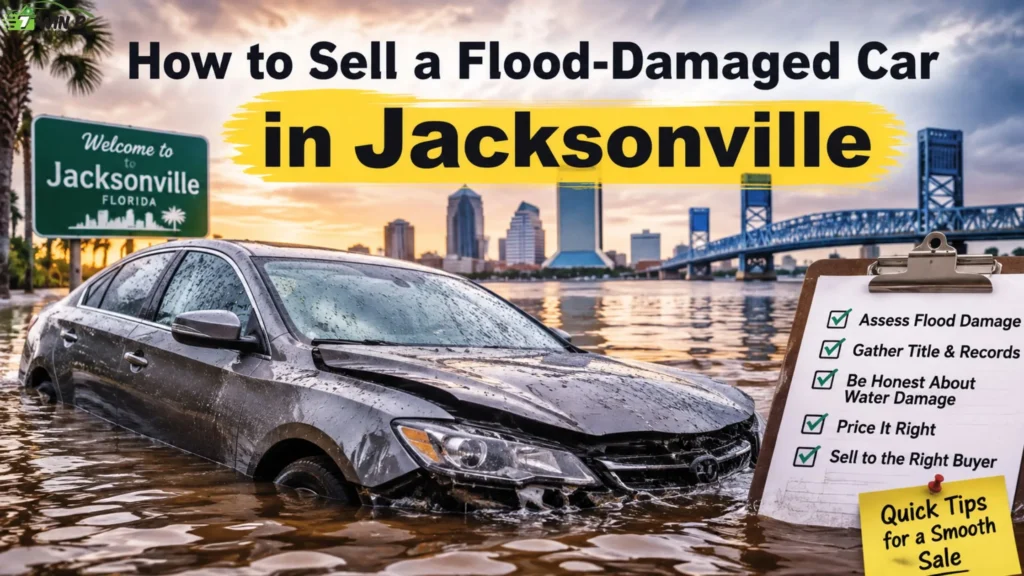
Water damage can affect a vehicle in ways that are not always visible immediately. Electrical systems, electronics, upholstery, mechanical components, and other areas may develop problems after exposure to significant amounts of water. If you want to sell flood damaged car Jacksonville owners should understand the vehicle’s condition before deciding whether repairs are financially worthwhile.
A flood-damaged vehicle may require extensive inspection and restoration, particularly when water has reached important electrical or mechanical components.
How Does Flood Damage Affect a Car?
Water can enter areas that are difficult to inspect.
Depending on the water level, it may affect:
- Electrical wiring
- Control modules
- Engine components
- Transmission
- Carpeting
- Seats
- Airbags
- Sensors
- Interior electronics
Saltwater exposure can create additional concerns because of its corrosive properties.
Should You Repair a Flood-Damaged Vehicle?
The answer depends on the extent of the damage.
Minor water exposure may be repairable, but extensive flooding can require replacement of multiple systems.
Even after repairs, hidden electrical problems may appear later.
For an older vehicle, the cost and uncertainty may make restoration less attractive.
Can a Water-Damaged Car Still Have Value?
Yes.
The vehicle may contain usable components depending on the extent of the water exposure.
The body, wheels, certain mechanical components, interior parts, and recyclable materials may still contribute to its overall value.
Specialized flood damaged vehicle buyers may evaluate the car differently from a traditional private buyer.
Be Honest About the Flood History
Do not hide water damage when selling a vehicle.
Explain when the flooding occurred if known and describe how high the water reached.
Also mention whether the vehicle currently starts, whether warning lights are present, and whether electrical systems work.
Transparency helps create a more accurate evaluation.
What If the Vehicle Cannot Be Driven?
A flood-damaged vehicle may not be safe to operate.
If it does not start or has significant electrical or mechanical problems, arrange appropriate transportation rather than attempting to drive it.
Professional vehicle removal can simplify the process.
What Should You Remove Before Pickup?
Check the entire vehicle for personal items.
Flooded interiors can make belongings difficult to identify later, so inspect the trunk, glove compartment, center console, and under the seats.
Remove important documents, electronics, tools, and personal possessions.
Why Selling As-Is May Be an Option
Flood restoration can become expensive because several systems may need inspection or replacement.
An as-is sale allows the owner to avoid spending additional money on a vehicle they no longer want.
This can be particularly useful when the estimated repair cost is high compared with the vehicle’s potential value.
Conclusion
Flood damage can create complicated mechanical and electrical problems, and the full repair cost may not always be predictable.
Before spending money on restoration, evaluate the extent of the damage and compare the expected expense with an as-is offer.
Have a flood-damaged vehicle you no longer want? Contact Twin B Cash for Cars to discuss the vehicle and request a quote.