


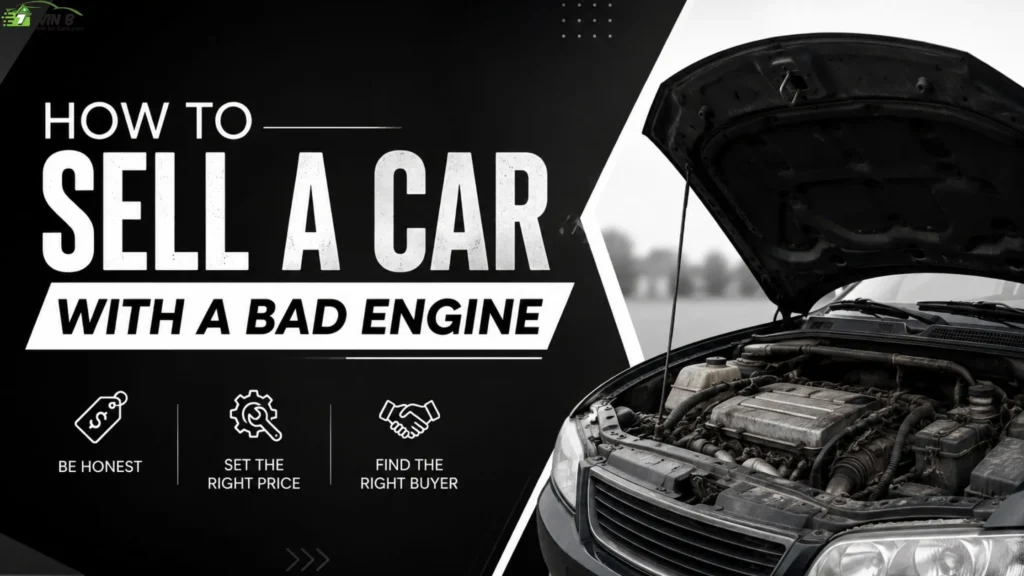
A vehicle with serious mechanical problems can quickly become stressful to own. When the engine stops working, many car owners assume their only option is paying for expensive repairs or leaving the vehicle unused. However, you can still sell car with bad engine condition and recover value from a vehicle that is no longer reliable on the road.
Engine problems are among the most expensive issues a vehicle can face. A blown engine, overheating damage, internal failures, or major mechanical breakdowns can reduce the car’s usability, but they do not completely remove its worth. Many buyers purchase vehicles with engine failure because they can repair, reuse, or recycle valuable components.
Understanding your options can help you make a smarter decision instead of spending money on repairs that may cost more than the vehicle’s actual value.
Why Engine Failure Does Not Mean Your Car Has No Value
Many owners believe a car with a damaged engine has reached the end of its life. While engine failure can significantly affect a vehicle’s market price, other parts may still hold value.
A vehicle contains many components that can be reused or recycled, including transmissions, wheels, electronics, body parts, catalytic converters, and recyclable metals. Depending on the make, model, year, and overall condition, a car with a failed engine can still attract buyers.
Professional vehicle buyers look beyond whether the car starts. They evaluate the condition of the entire vehicle before determining an offer.
Common Reasons Cars End Up With Engine Problems
Engine issues can happen for several reasons, and many vehicles develop serious problems unexpectedly. Some common causes include:
Lack of regular maintenance
- Overheating due to cooling system problems
- Low engine oil levels
- Timing belt or chain failure
- Internal engine damage
- High mileage wear and tear
- Previous accident-related damage
In many cases, repairing an engine requires thousands of dollars in parts and labor. For older vehicles, the repair cost may exceed the car’s current value, making selling a more practical option.
Read More: Cash for Cars with Engine Problems in Jacksonville
Should You Repair a Bad Engine or Sell the Vehicle?
One of the biggest decisions owners face after engine failure is whether to repair the car or move on from it.
Before spending money on repairs, consider the vehicle’s age, mileage, current condition, and estimated resale value after repair. A newer vehicle with a strong market value may justify engine replacement, but an older car may not provide a good return on investment.
A complete engine replacement can involve significant expenses, unexpected repairs, and long waiting periods. Selling the vehicle allows owners to avoid additional costs while receiving money for a car they no longer want to maintain.
How Buyers Evaluate Cars With Engine Failure
Cars with engine problems are usually evaluated differently than regular used vehicles. Buyers consider several factors before making an offer.
The vehicle’s make and model can impact demand because some cars have parts that are easier to reuse or sell. The condition of the exterior, interior, transmission, tires, and other components also affects value.
Current market conditions for recycled materials and replacement parts may also influence the final offer. This means even a vehicle with a completely failed engine may still have meaningful value.
Steps to Sell a Car With a Bad Engine
Selling a vehicle with engine failure does not have to be complicated. The process usually begins by providing basic details about your car, including its year, make, model, mileage, and current condition.
After reviewing the information, buyers can provide an estimated offer based on the vehicle’s value. If you accept the offer, pickup arrangements can be scheduled according to your availability.
Many professional buyers handle towing, which saves owners from paying transportation costs for a vehicle that cannot be driven. This makes the process easier compared to trying to sell privately.
Benefits of Selling a Car With Engine Failure
Choosing to sell a car with a bad engine can provide several advantages.
You can avoid expensive repair bills, free up space on your property, and receive value from a vehicle that is no longer useful. It also eliminates the stress of maintaining a car that requires constant attention.
For many owners, selling a damaged vehicle is a practical solution that saves both time and money.
Companies like Twin B Cash for Cars help vehicle owners turn unwanted cars into cash by offering a simple process for vehicles in different conditions, including cars with major mechanical problems.
Prepare Your Vehicle Before Selling
Before completing the sale, take a few simple steps to make the process smoother.
Remove personal belongings from the vehicle, collect available paperwork, and keep important documents ready. Having basic vehicle information available can help buyers provide a more accurate evaluation.
If the vehicle has been sitting unused for a long period, checking that the keys are available and confirming the pickup location can also help avoid delays.
Conclusion
A failed engine does not automatically make your vehicle worthless. Cars with major mechanical problems still contain valuable parts and materials that buyers look for. Instead of spending thousands on repairs or allowing the vehicle to lose more value over time, selling it can provide a practical way to recover money.
Understanding your options helps you make a decision that fits your situation and avoids unnecessary expenses.
Ready to move on from your vehicle with engine failure? Contact Twin B Cash for Cars today to get a quick evaluation and learn how easy it can be to turn your damaged car into cash. Get a fair offer, arrange convenient pickup, and complete the process without the stress of costly repairs.
Frequently Asked Questions
Can I sell a car with a blown engine?
Yes, many buyers purchase cars with blown engines. The vehicle’s value depends on factors such as its condition, parts, make, model, and recyclable materials.
Will I get cash for a car that does not run?
Non-running vehicles can still qualify for cash offers. Buyers consider the overall value of the vehicle rather than only its ability to drive.
Is replacing an engine better than selling the car?
It depends on the vehicle’s age, condition, and repair cost. If engine replacement costs more than the car’s value, selling may be the better financial choice.