


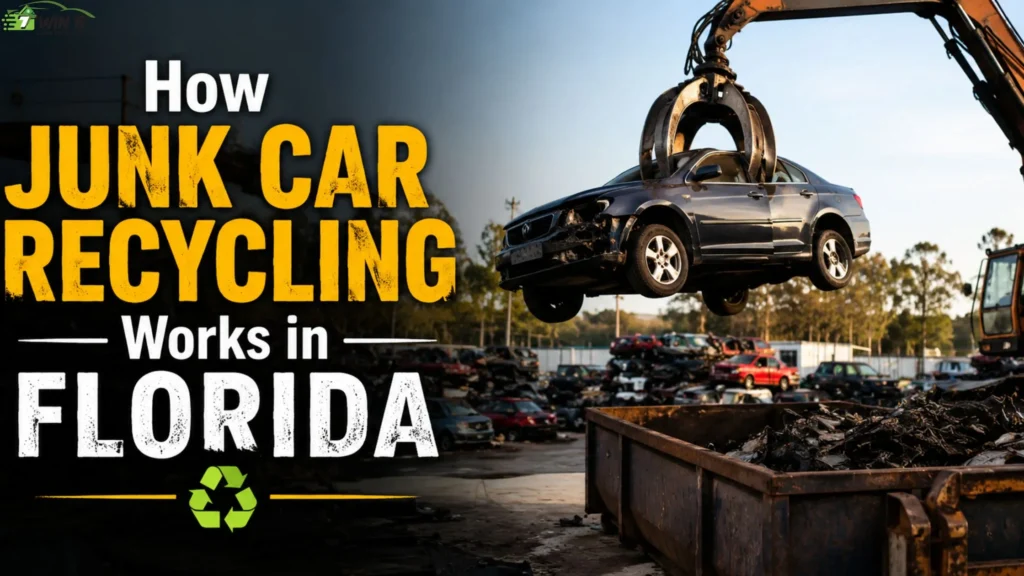
Every year, thousands of old and unwanted vehicles reach the end of their usable life. Instead of leaving these cars unused on properties or sending them directly to waste facilities, recycling provides a more responsible solution. Through junk car recycling, vehicles are processed to recover valuable materials, reuse functional parts, and reduce environmental impact.
Many car owners do not realize that an old vehicle contains several recyclable components. From metal and tires to batteries and usable parts, different materials can be recovered and given a new purpose through proper recycling methods.
Why Recycling Old Vehicles Matters
A damaged or abandoned car can take up unnecessary space and may create environmental concerns if it is not handled correctly. Fluids, batteries, and other vehicle components require proper disposal to prevent contamination.
Recycling helps reduce waste by recovering materials that can be reused in manufacturing. Instead of allowing an unwanted vehicle to sit unused, recycling gives it a second life while supporting more sustainable practices.
Step 1: Vehicle Collection and Inspection
The recycling process begins when an unwanted vehicle is collected from the owner’s location. Professional junk car services arrange pickup and transport the vehicle to a recycling facility.
Once the car arrives, it is inspected to determine its condition and identify parts or materials that can be recovered. This evaluation helps decide which components can be reused and which materials should be processed further.
Step 2: Removing Fluids and Hazardous Materials
Before a vehicle is dismantled, important fluids and hazardous materials are carefully removed. This includes engine oil, coolant, fuel, brake fluid, and other liquids that require proper handling.
Batteries and other potentially harmful components are also removed to ensure safe processing. This step is essential because responsible recycling focuses not only on recovering materials but also on protecting the environment.
Step 3: Recovering Usable Vehicle Parts
Not every part of an old vehicle becomes scrap material. Many components may still have value and can be reused in other vehicles.
Parts such as engines, transmissions, mirrors, tires, electronics, and other functional components may be inspected and recovered depending on their condition.
This reuse process reduces the need for producing new parts and helps extend the life of existing automotive components.
Step 4: Processing Metal and Other Materials
After valuable parts are removed, the remaining vehicle structure is processed for recycling. Most vehicles contain large amounts of steel and other metals that can be separated and reused.
The metal is processed and prepared for manufacturing purposes, reducing the demand for new raw materials. This is one of the biggest environmental benefits of vehicle recycling.
Environmental Benefits of Junk Car Recycling
Proper vehicle recycling plays an important role in reducing waste and conserving resources. Recycling old cars helps:
- Reduce landfill waste
- Recover reusable materials
- Save natural resources
- Lower the need for new raw materials
- Support cleaner disposal practices
Choosing an eco-friendly disposal method allows vehicle owners to remove unwanted cars while contributing to a more sustainable future.
Why Choose Professional Junk Car Recycling Services?
Handling an old vehicle on your own can be difficult because proper disposal requires knowledge, equipment, and approved recycling methods. Professional services manage the complete process, from vehicle pickup to responsible recycling.
Working with an experienced company ensures your vehicle is handled properly and valuable materials are recovered instead of being wasted.
The Value Hidden Inside an Old Vehicle
Many owners assume that a junk car has no value because it no longer runs. However, vehicles contain several materials and components that can still be useful.
Through recycling, old cars can provide value through reusable parts, recyclable metals, and other recoverable materials. This makes recycling a practical option for owners looking to remove unwanted vehicles.
Conclusion
Understanding junk car recycling helps vehicle owners see that old cars can still serve a purpose even after they stop running. Through careful dismantling, material recovery, and responsible disposal, recycling transforms unwanted vehicles into reusable resources.
Choosing a professional recycling service in Florida provides a convenient way to remove an old car while supporting environmentally responsible practices.
Have an old vehicle taking up space? Twin B Cash for Cars provides convenient junk car removal and recycling solutions across Florida. Contact the team today to learn how you can responsibly dispose of your unwanted car while getting value from your vehicle.
Frequently Asked Questions
What happens to a car during the recycling process?
A vehicle is inspected, fluids are removed, usable parts are recovered, and remaining materials such as metal are processed for reuse.
Can damaged cars be recycled?
Yes. Damaged, old, and non-running vehicles can still be recycled because many components and materials retain value.
Is junk car recycling environmentally friendly?
Yes. Recycling reduces waste, conserves resources, and helps prevent harmful materials from being disposed of incorrectly.
Do I need to transport my junk car to a recycling facility?
Many professional recycling services provide vehicle pickup, making the process easier for owners.
Why should I recycle my old vehicle?
Recycling allows you to remove an unwanted car responsibly while helping recover valuable materials and reduce environmental impact.