


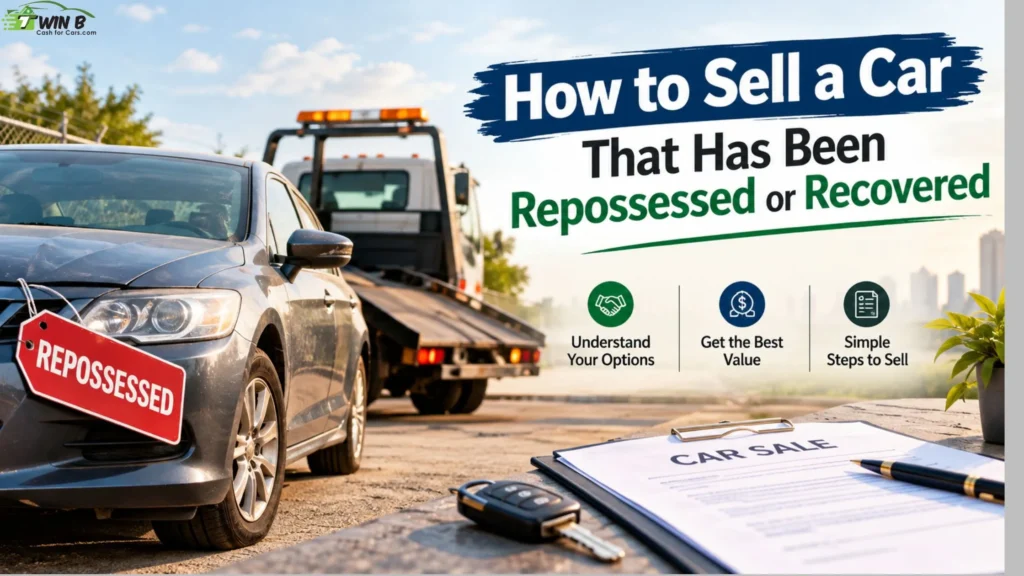
A vehicle that has been repossessed and later recovered can leave an owner with more questions than answers. The car may have been returned with missing items, damage, mechanical issues, or simply become unwanted after a difficult financial situation. If you need to sell recovered car Jacksonville understanding the vehicle’s current condition and ownership status is an important place to start.
What Happens to a Vehicle After Repossession?
Repossession generally occurs when a vehicle loan or lease agreement has not been maintained according to its terms. After the vehicle is recovered, the lender or another authorized party may determine what happens next based on the circumstances and applicable requirements.
A recovered vehicle may eventually be returned to its owner, sold, or otherwise handled according to the agreement and legal process involved.
If the vehicle is back in your possession and you want to sell it, the first priority should be confirming that you have the necessary authority and documentation to complete the transaction.
Check the Vehicle's Ownership Status First
Before searching for a buyer, make sure the title and ownership records are in order. A loan, lien, or other claim against the vehicle can affect your ability to transfer ownership.
If there is still an outstanding loan balance, contact the lender to understand the current status. Ask about any remaining balance, lien information, and requirements for transferring or releasing ownership.
Having this information available can prevent unnecessary delays later in the selling process.
A Recovered Vehicle May Have More Problems Than Expected
A recovered vehicle can return in a condition that differs from how it was before repossession. It may have accumulated additional mileage, developed mechanical problems, or suffered exterior or interior damage.
Check the vehicle carefully before deciding what to do with it. Look at the tires, body panels, windows, lights, interior, battery, and engine condition.
If the car has been sitting unused for an extended period, it may also require maintenance before it can safely return to the road.
Do You Need to Repair the Car Before Selling?
Not necessarily.
If the vehicle needs extensive mechanical or cosmetic work, calculate the likely repair cost before spending money. A long list of repairs can quickly become expensive, particularly if the car is older or already has a reduced market value.
Replacing tires, repairing body damage, fixing electrical problems, or addressing engine issues may not always provide a return equal to the amount invested.
For some owners, selling the vehicle in its current condition may be a more practical choice.
Selling an Unwanted Recovered Vehicle As-Is
If you no longer want the vehicle, you can explore buyers that evaluate cars based on their present condition.
This can be useful when the car has multiple problems or when you simply do not want to go through the traditional private-sale process. Instead of preparing the vehicle for advertising, arranging test drives, and negotiating with individual buyers, you can first find out whether there is a cash-selling option available.
The vehicle’s age, mileage, make, model, condition, and usable components can all influence its potential value.
What Information Should You Have Ready?
When discussing a sale, accurate vehicle information can make the evaluation easier.
Prepare details such as:
- Year, make, and model
- Current mileage
- Overall mechanical condition
- Exterior or interior damage
- Whether the vehicle starts and runs
- Title and lien status
- Location of the vehicle
- Any major issues that developed before or after recovery
Being upfront about the condition helps set realistic expectations and avoids confusion during the selling process.
Jacksonville Sellers Can Explore a Simpler Alternative
A recovered vehicle does not have to remain parked simply because its history makes a traditional sale more complicated. Jacksonville owners may have alternatives when they want to move an unwanted vehicle without investing heavily in repairs first.
Twin B Cash for Cars works with vehicle owners who want to explore cash-selling options for cars in different conditions. Providing the vehicle details allows the situation to be evaluated before you decide whether selling is the right move.
FAQs
Can I sell a car after it has been repossessed?
If the vehicle has been legally returned to you and you have the necessary ownership rights and documentation, selling it may be possible. Check any remaining lien or loan requirements first.
Does repossession affect the value of a car?
The vehicle’s physical condition, mileage, age, model, title status, and other factors generally have a greater direct impact on its selling value.
Should I repair a recovered car before selling it?
Compare the expected repair costs with the vehicle’s potential value. Major repairs may not always make financial sense.
Can I sell a recovered vehicle as-is?
Depending on the ownership and title situation, you may be able to sell the vehicle in its current condition to an appropriate buyer.
Conclusion
Getting a repossessed vehicle back does not necessarily mean you need to keep it long term. Once you understand its ownership status and assess its condition, you can compare the cost of keeping or repairing it with the possibility of selling it.
For an unwanted vehicle Jacksonville owners no longer need, an as-is cash sale may be worth considering, especially when avoiding additional repair and private-sale expenses is a priority.
Ready to Move the Vehicle Forward?
If your recovered car has become more of a responsibility than an asset, Twin B Cash for Cars can help you explore what comes next. Share the vehicle’s basic details and current condition to start a conversation about a potential cash sale and find out whether letting the car go makes sense for you.