


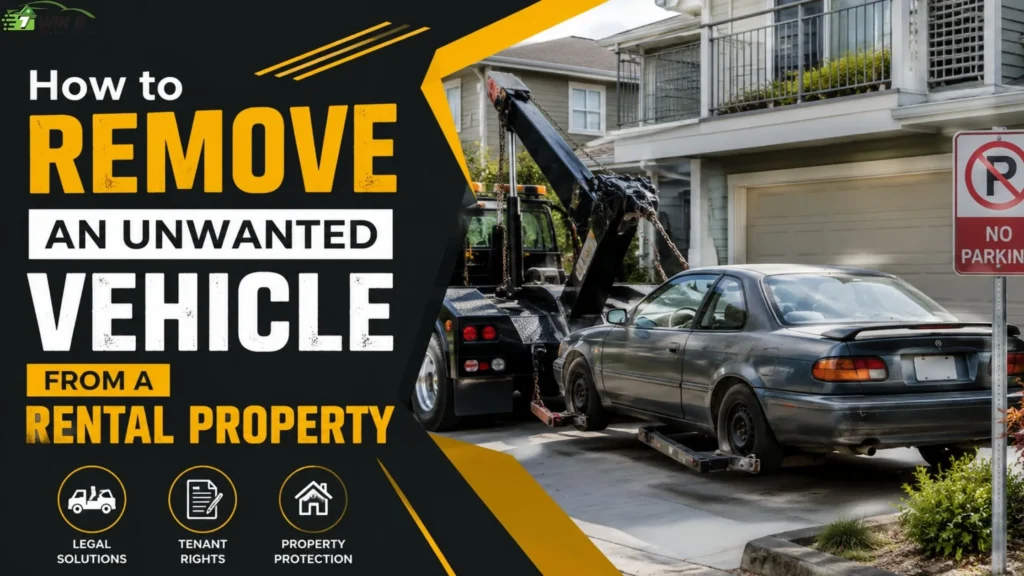
An unwanted vehicle left at a rental property can quickly become a problem for property owners and managers. A car may have been left behind by a former tenant, become unusable during a tenancy, or simply remain on the property after the owner no longer wants it. If you need unwanted vehicle removal Jacksonville, it is important to approach the situation carefully rather than simply arranging for the vehicle to be moved without confirming ownership and local requirements.
Removing an abandoned vehicle can free up parking space, improve the appearance of the property, and prevent an unwanted car from becoming a continuing management issue. The process becomes easier when ownership, documentation, and removal arrangements are handled properly.
Identify the Vehicle and Confirm the Situation
Before arranging removal, determine who owns the vehicle and why it remains on the property. This is particularly important for landlords dealing with vehicles left behind by former tenants.
Check Available Ownership Information
Look for the vehicle identification number, license plate information, title records, or other documentation available to you. If the vehicle belongs to a tenant or former tenant, review the relevant rental records and communication.
The exact legal requirements for dealing with an abandoned vehicle can vary, so property owners should make sure they are following applicable Jacksonville and Florida requirements.
Document the Vehicle’s Condition
Take photographs of the vehicle and note where it is parked. Record visible damage, missing components, flat tires, or other obvious conditions.
Documentation can help establish the vehicle’s condition and provide a record of what was present on the property.
Determine Whether the Vehicle Can Be Driven
Some unwanted vehicles can still be moved normally, while others may have dead batteries, flat tires, engine problems, or other issues.
Knowing whether the vehicle runs helps determine what type of removal arrangement may be needed.
Read more : 5 Signs It’s Time to Stop Repairing Your Old Car
Arrange a Practical Removal Solution
Once the ownership and legal considerations have been addressed, the next priority is getting the vehicle off the property without creating additional problems.
Non-Running Cars May Need Special Handling
A vehicle that cannot be driven may require towing or specialised removal equipment. This is particularly common with older or damaged cars that have been sitting unused for a long time.
If you are considering Car Removal, provide accurate information about the vehicle’s condition and location so the removal process can be planned properly.
Clear the Property Safely
The removal team needs enough access to reach the vehicle. Move other cars or obstacles where possible and provide information about gates, narrow driveways, parking areas, or other access limitations.
Good preparation can make the removal faster and reduce unnecessary complications.
Deal With the Vehicle’s Remaining Value
An unwanted vehicle is not always worthless. Depending on its age and condition, it may have value as an as-is vehicle, for parts, or through recycling.
Property owners should therefore consider whether the vehicle can be sold rather than simply paying someone to dispose of it.
Keep Property Records Updated
After removal, update your property records and retain relevant documentation relating to the vehicle and the removal process.
This is especially useful for landlords and property managers who regularly deal with multiple tenants and parking areas.
Conclusion
An unwanted vehicle can create an unnecessary headache at a rental property, particularly when it belongs to a former tenant or has been sitting unused for an extended period. Confirming ownership, documenting the vehicle, understanding applicable requirements, and arranging suitable transportation can make the process more manageable.
If you have an unwanted vehicle taking up space at a rental property in Jacksonville, Twin B Cash for Cars can help you explore unwanted vehicle removal Jacksonville options based on the vehicle’s condition and location.