


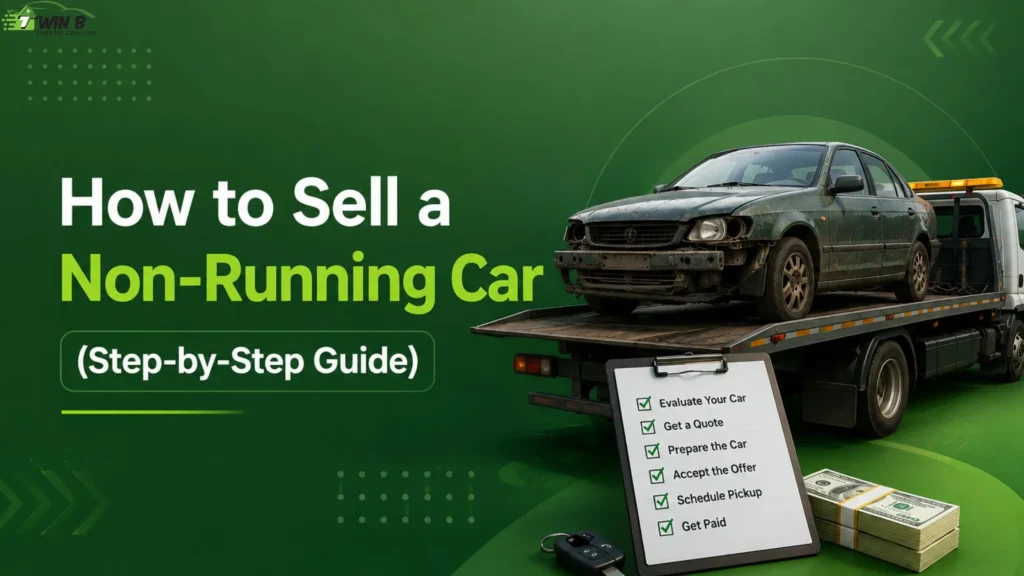
There comes a point when every vehicle owner faces a difficult decision. The car that once handled daily commutes, family trips, and weekend errands suddenly refuses to start. Maybe the engine has failed, the transmission is beyond repair, or years of wear and tear have finally caught up with it. Whatever the reason, a vehicle that no longer runs can quickly become more of a burden than an asset.
Many people assume that a car with mechanical problems has little or no value. In reality, that couldn’t be further from the truth. Thousands of vehicle owners successfully sell non running car models every year and receive cash for vehicles that can no longer be driven.
If your car won’t start and you’re wondering what to do next, understanding the process can help you make the right decision while avoiding unnecessary stress.
When a Vehicle Becomes More Expensive Than It's Worth
Most owners don’t immediately decide to sell when a vehicle develops a problem. The first instinct is usually to repair it. After all, fixing one issue often seems easier than replacing an entire vehicle.
However, repair costs can escalate quickly. What begins as a simple diagnosis may reveal major engine damage, transmission failure, electrical issues, or multiple worn-out components. Suddenly, the repair bill becomes difficult to justify.
For older vehicles, investing thousands of dollars into repairs may not make financial sense. This is often the moment when owners begin looking for alternatives and realize selling the vehicle could be the smarter option.
Understanding Why Buyers Want Non-Running Cars
One of the biggest misconceptions in the automotive market is that a vehicle must be running to have value.
Professional buyers view non-running cars differently. They understand that even a vehicle with serious mechanical problems contains parts and materials that can be reused, refurbished, or recycled.
A dead car may still have a valuable transmission, catalytic converter, wheels, battery, or electronic components. Even when repairs are not practical, the vehicle itself can continue to hold market value.
This is why buyers actively search for cars that no longer start or operate.
Step 1: Determine the Condition of Your Vehicle
Before contacting a buyer, take a realistic look at the vehicle’s condition.
Try to identify why the car is not running. Does it have engine trouble? Electrical issues? Accident damage? Has it simply been sitting unused for years?
You don’t need a professional inspection, but having a general understanding of the problem helps buyers provide a more accurate estimate.
Being honest about the vehicle’s condition also helps create a smoother transaction and prevents unexpected issues during pickup.
Step 2: Gather Important Vehicle Information
Having the correct information ready can save time during the selling process.
Buyers typically ask for details such as the vehicle’s make, model, year, mileage, and overall condition. Ownership documents may also be required depending on local regulations.
The more accurate the information, the easier it becomes to receive a fair valuation.
This step may seem small, but it can significantly speed up the selling process.
Step 3: Request a Vehicle Evaluation
Once basic information is available, the next step is obtaining a quote.
Professional buyers evaluate vehicles based on factors such as age, condition, reusable parts, and current market demand. Even if the car doesn’t run, these elements help determine its potential value.
Many vehicle owners are surprised to discover their dead car is worth more than expected.
Receiving a quote allows you to understand what your vehicle is currently worth before making a final decision.
Step 4: Compare Convenience, Not Just Price
Price matters, but it shouldn’t be the only factor when choosing a buyer.
A slightly higher offer may not always result in a better experience if additional fees or transportation costs are involved. Since non-running vehicles cannot be driven, pickup services become especially important.
A reliable buyer should offer a simple process, clear communication, and convenient scheduling.
Choosing convenience alongside value often leads to a better overall transaction.
Step 5: Schedule Vehicle Pickup
One of the biggest advantages of selling a non-running vehicle is avoiding transportation concerns.
Since the vehicle cannot be driven, professional buyers typically arrange pickup directly from the seller’s location. This eliminates the need for towing arrangements and reduces out-of-pocket expenses.
For many owners, this is one of the most valuable parts of the entire process.
Instead of worrying about how to move the vehicle, they can focus on completing the sale.
Why Acting Quickly Can Be Beneficial
A vehicle that sits unused for months or years rarely gains value. In fact, the opposite usually happens.
Exposure to weather conditions can lead to rust, interior damage, battery deterioration, and additional mechanical issues. These problems may reduce the vehicle’s worth over time.
Selling sooner allows owners to maximize value while freeing up valuable space on their property.
A Practical Solution for Vehicle Owners
Selling a non-running car no longer requires complicated advertisements or endless negotiations. Modern vehicle-buying services have simplified the process, making it easier than ever to turn an unwanted vehicle into cash.
Companies like Twin B Cash for Cars help owners sell vehicles that won’t start without the stress of repairs, private listings, or towing concerns. This straightforward approach saves time while providing a convenient solution for unwanted vehicles.
Conclusion
If your vehicle has stopped running, don’t assume it has lost all value. Many buyers actively purchase vehicles with mechanical issues because of the reusable parts and recyclable materials they contain. By understanding the selling process and working with a trusted buyer, you can confidently sell non running car models and receive a fair return.
Ready to Sell Your Non-Running Car?
Twin B Cash for Cars makes the process simple. Contact our team today for a free quote and discover how easy it can be to sell your non-running vehicle. Turn that unused car into cash and enjoy a hassle-free experience from start to finish.